Mar 17, 2026
PHA: A gentle way to reset your skin
March marks the end of winter and the beginning of spring. During this seasonal transition, our skin can become a bit unstable. You might notice issues like sensitivity, dullness, or redness. Sometimes it even feels like your skincare products aren’t absorbing as well as before, or that the routine that used to feel comfortable suddenly feels a bit too heavy.
During seasonal changes, dead skin cells can easily build up on the surface of the skin, which is why spring is actually a good time to give your skin a gentle “reset.”
That’s why I want to introduce a type of ingredient that many of us have probably seen in skincare products before: PHA (polyhydroxy acids).
To make it easier to understand, you can think of PHA as a gentler “relative” of AHA and BHA, which are the acids we see more often in everyday skincare. Common PHAs include gluconolactone and lactobionic acid. Their names look a bit complicated, right? 🤣 But that’s not the important part. What really matters is that, like other exfoliating acids, they help loosen and remove dead skin cells from the surface of the skin, which can improve dullness and make the skin look smoother.
So what makes PHA a little different?
One key point is that PHA tends to be gentler and less irritating to the skin. As many of us know, when using acid-based skincare products, we usually need to start slowly and pay attention to possible irritation. Compared with stronger acids, PHA doesn’t penetrate the skin as deeply because its molecular structure is larger, which generally makes its effects milder.
At the same time, some studies suggest that ingredients like gluconolactone not only provide gentle exfoliation but may also help support the skin barrier and reduce transepidermal water loss (TEWL). This is partly because PHAs also act as humectants, helping the skin hold onto moisture, while being less likely to disrupt the barrier compared to stronger acids. During seasonal transitions, when the skin is more likely to feel unstable, this can be especially helpful.
Because of this, people with sensitive skin or those who easily experience irritation from stronger acids may find PHA easier to tolerate.
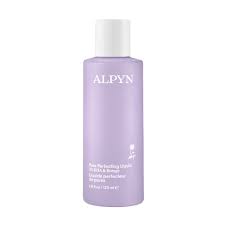
If you’re interested in trying PHA, you can look for gluconolactone or lactobionic acid in the ingredient list. Many toners, serums, and mild exfoliating products contain them, usually at relatively low concentrations that the skin can tolerate more easily. In most cases, PHA is used at around 5–10%, but you don’t always need to know the exact number. If the ingredient appears near the top of the list, it’s more likely to be present in a meaningful amount.
Even though PHA is gentler, it is still an exfoliating acid. So if you’re trying it for the first time, it’s best to start slowly and give your skin time to adjust.
One very important reminder: don’t forget sunscreen during the day!
Don’t forget sunscreen during the day!
Don’t forget sunscreen during the day!
Yes, it’s worth repeating three times, because freshly exfoliated skin can be more sensitive to UV exposure.
Finally, gentle exfoliation won’t transform your skin overnight. But if you’re looking to make your skincare routine feel a little lighter and more balanced for spring, it can be a great place to start.
Wishing everyone a great month ahead!
Author: Wenli Hu
Learn more
Discover more from the latest posts.