Apr 1, 2026
What actually works for anti-aging (and which ingredients matter most)
"Anti-aging" is everywhere. Every serum, moisturiser, and eye cream promises to turn back the clock, smooth fine lines, and make you look ten years younger. But honestly? Most of them aren't as miraculous as the marketing suggests. What actually matters is knowing which ingredients have real science behind them, and focusing on those.
Why does skin age in the first place?
Understanding the problem is the first step to knowing what to do about it.
Skin aging comes down to two things:
Intrinsic aging — as you get older, your skin naturally produces less collagen and elastin. It gets thinner, loses elasticity, and fine lines start to appear. This process is inevitable, but its visible effects can be slowed.
Extrinsic aging — UV exposure, pollution, and lifestyle habits speed the whole process up. This part you can meaningfully influence.
Here's a number worth knowing:
~ 80% of visible facial aging is caused by UV damage.
This means sunscreen is, genuinely, one of the most effective anti-aging tools out there.
Ingredients that are actually worth it
Retinoids If there's an ingredient group with the most research behind it, it's this one. Retinol is a Vitamin A derivative that speeds up cell turnover and stimulates collagen production — with consistent use, it can visibly improve fine lines and uneven skin tone.
The catch: it takes some getting used to. Redness and flaking are common at first. Start low (0.1%–0.2%), use it at night, and follow with moisturizer.
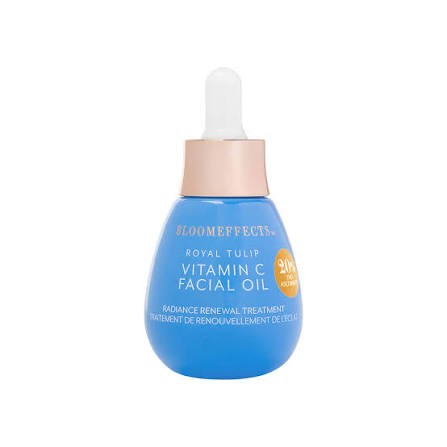
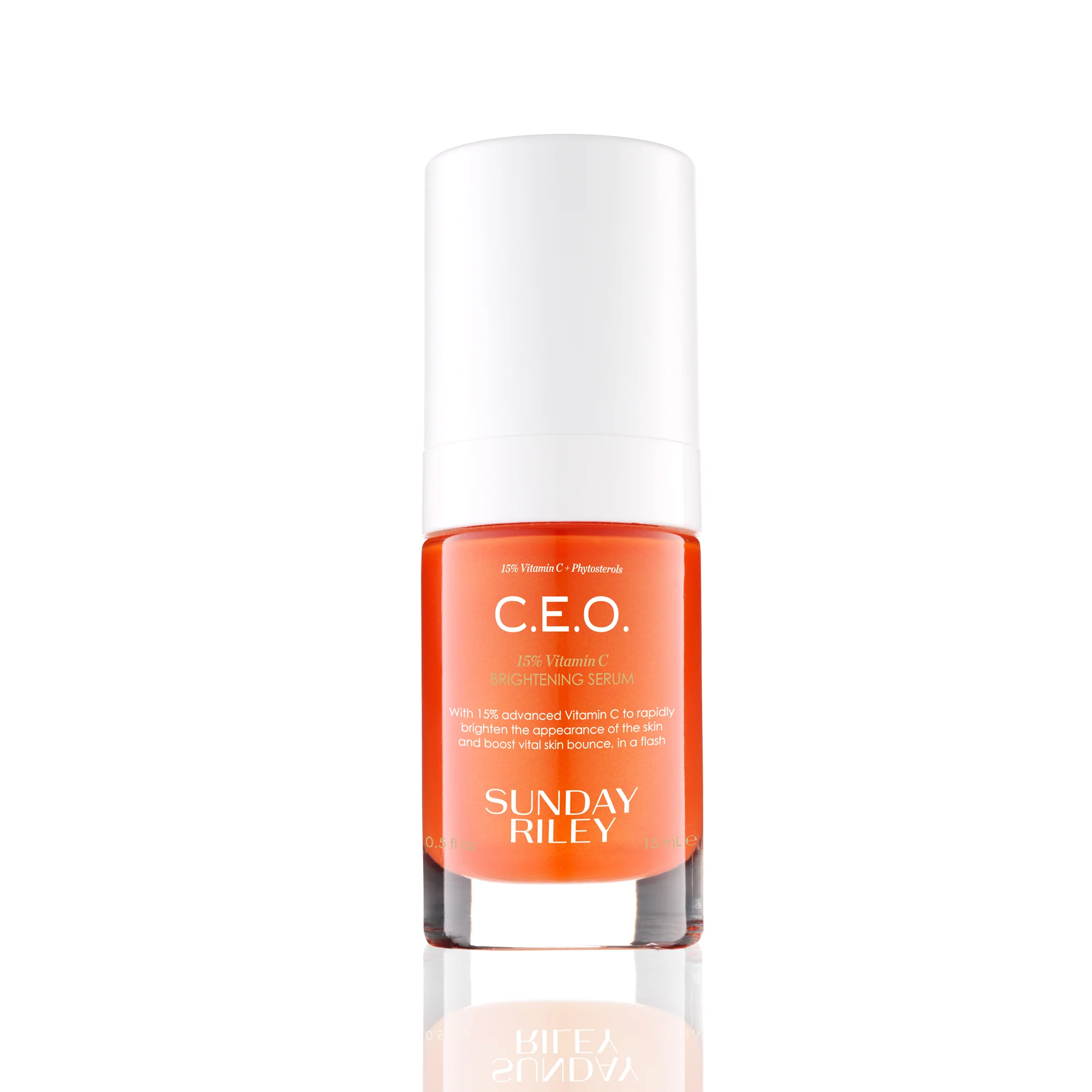
Vitamin C A powerful antioxidant that neutralises free radicals from UV and pollution, reduces oxidative damage, and helps brighten uneven skin tone. Best used in the morning. Pure vitamin C (L-ascorbic acid) is unstable and can oxidize when exposed to light and air, so make sure to keep it away from sunlight.
Peptides It’s a broad group of ingredients that can support different functions in the skin. Some are used for their role in supporting collagen and skin repair, some serve other purposes. They’re generally well tolerated and can be a good option for sensitive skin. When choosing a product with peptides, go a quick search to verify the peptides in the formula are of the anti-aging kind.
Niacinamide Best known for controlling oil, niacinamide also strengthens the skin barrier, fading dark spots, and evening out dull skin. It's gentle enough for almost every skin type, which makes it a great starting point. Not an anti-aging heavy-hitter, but a great addition to a routine that already contains retinoids (or peptides) and vitamin C.
SPF Not technically an "ingredient," but probably the most important thing on this list. Daily SPF 30 or higher is the foundation of any anti-aging routine. Without it, everything else you're doing is working at a disadvantage.
What probably isn't doing much
Collagen creams — collagen molecules are too large to actually penetrate the skin. They moisturise, which is nice, but they're not "rebuilding" anything.
"Youth-restoring" serums — if you flip to the ingredients list and can't find any of the above, you're mostly paying for the packaging.
Oral collagen supplements — while some studies show modest improvements, the evidence here is still mixed, and research results remain inconclusive.
Anti-aging is a long game. There's no shortcut, and results take time. Retinoid products and sunscreen are the two things most worth investing in. Vitamin C and niacinamide are great everyday additions. And for everything else making big promises? A healthy dose of skepticism goes a long way. Pick the right ingredients, stay consistent, and let your skin do the rest.
Author: Wenli Hu
Learn more
Discover more from the latest posts.