
Before You Buy: 10 Questions to Ask About Any Skincare Product

Onkar Raorane
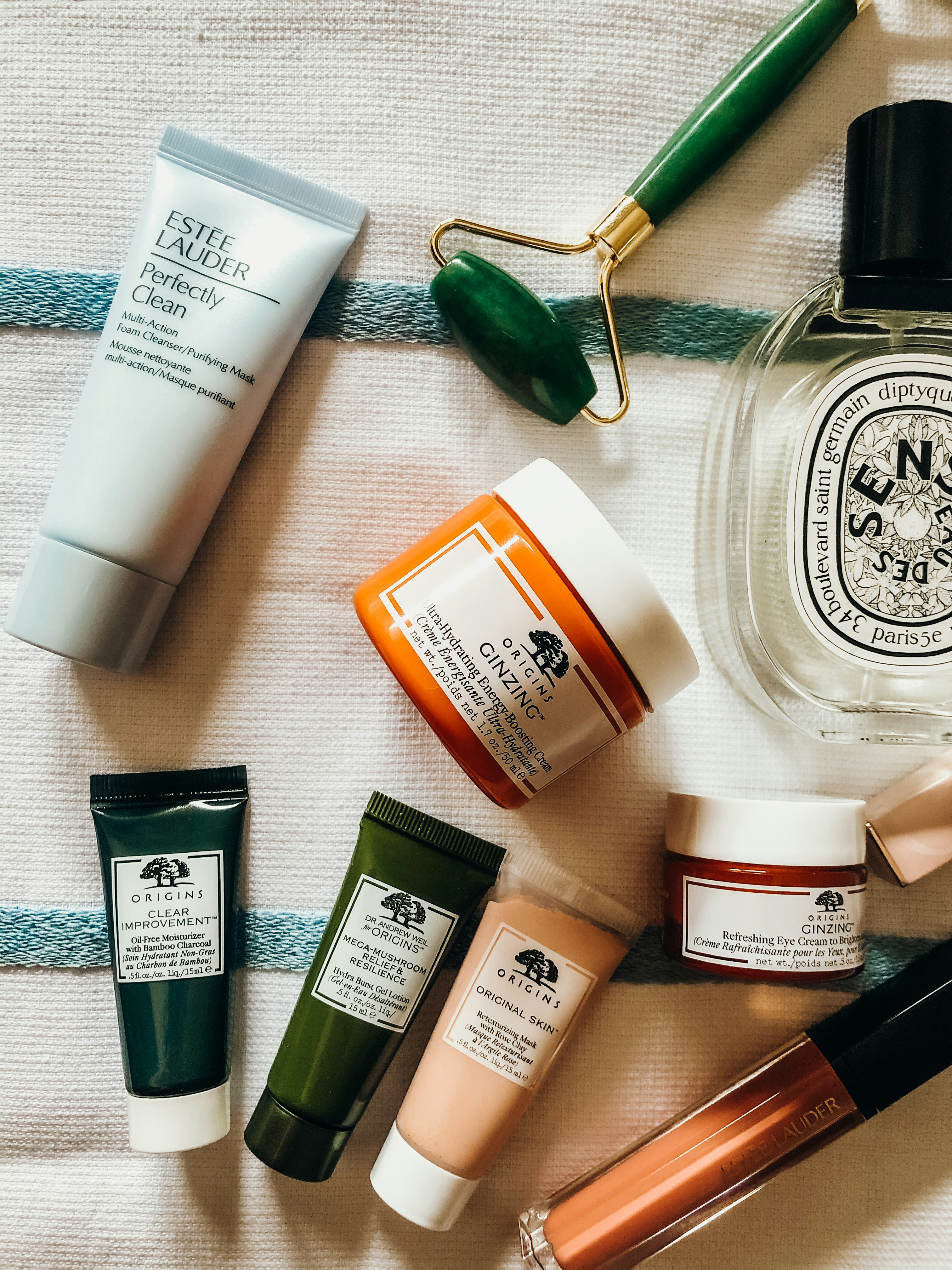
The skincare industry is projected to grow at an annual rate of >6% for the next ten years, driven by increasing consumer demand for transparency and evidence-based formulations. With countless products flooding the market, each promising miraculous results, making informed decisions about skincare has never been more critical.
Research indicates that 46% of U.S. consumers cited moderate to extreme concern over their skin health in 2024, up from 38% in 2023, driving demand for more transparent formulation labeling.
before you click “add to cart” on that tempting serum or cream, take a moment. These ten questions will help you make better choices, so what you buy is safe, effective, and actually works for your skin.
1. What Are the Active Ingredients and Their Concentrations?
Active ingredients are the powerhouse components that deliver promised results. It is for a reason that dermatologists most recommend ingredients supported by strong clinical evidence, including retinoids, niacinamide, vitamin C, hyaluronic acid, and azelaic acid. However, concentration matters significantly. For instance, while retinol is potent for anti-aging, improper concentration or usage can cause irritation and redness.
Ask yourself: Does the product list specific ingredient concentrations?
If it does, that’s a good sign. It allows you to see whether the listed concentration is within the effective range. However, most skincare products list ingredients without disclosing concentrations, making it hard to know if the active is strong enough to deliver results or gentle enough to avoid irritation.
Lower concentrations may be ineffective, while excessively high concentrations could damage your skin barrier.
2. Is This Product Formulated for My Specific Skin Type and Concerns?
One size doesn’t fit all. A formula built for oily, acne-prone skin often won’t suit dry, sensitive skin, which typically needs gentler, richer textures. Modern skincare favors clinically supported ingredients that target specific concerns without sacrificing safety or tolerability.
Start by identifying your top concerns (fine lines, hyperpigmentation, acne, sensitivity), then make sure the formula matches your needs.
How?
Look at the key actives first, then check that the rest of the ingredients (solvents, emulsifiers, fragrance, acids, oils) fit your skin type and won’t aggravate your issues.
Evidence shows niacinamide can help multiple concerns (redness and the appearance of enlarged pores, uneven tone, barrier support), while salicylic acid is especially useful for acne and oily skin. If you have more than one concern, a well-chosen formula can address several at once. That said, some conditions need extra care (e.g., if you’re treating acne and have rosacea, confirm the actives and the overall formula of your acne-treatment is rosacea-friendly (gentle pH, minimal fragrance/essential oils, cautious with strong exfoliants).
3. Has the Product Been Dermatologically Tested?
Although cosmetic products in the U.S. generally do not require FDA approval or mandatory pre-market testing (with the exception of certain color additives), manufacturers are legally responsible for ensuring their products are safe when used as directed. Unlike drugs, cosmetics don’t go through FDA premarket efficacy review, they just need to be safe.
Some brands go further, commissioning independent or clinical testing to support their safety or performance claims. When you see labels such as “dermatologist-tested,” keep in mind this term is not regulated by the FDA and can range from minimal patch testing to full clinical studies.
If you have sensitive skin or a dermatologic condition, look for details (test type, sample size, results) rather than the phrase alone. You may also choose formulations branded as “clinical” or “professional-grade,” but remember that these terms themselves are not formally regulated.
4. What does the Complete Ingredient List Look Like?
Federal regulations mandate that cosmetic products sold at retail must display ingredients in descending order from highest concentration to lowest. This transparency empowers consumers to make informed choices and avoid allergens or irritants.
As usual, there’s a caveat:
Ingredients present at concentrations of 1% or less may be listed in any order after those above 1%.
This means an ingredient used at 0.1% can appear before one used at 0.9% on the label.
Screen for likely irritants/allergens, especially fragrance and certain preservatives (e.g., MI/MCI). Note that strong surfactants like SLS can be irritating for some.
5. Could There Be Any Concerning Contaminants or Quality Issues?
Recent dermatology developments have highlighted concerns about contaminants in skincare products. In 2024, benzene contamination in benzoyl peroxide acne products prompted regulatory scrutiny and citizen petitions, demonstrating that even established ingredients can have quality issues.
Ask whether the manufacturer tests for contaminants like heavy metals, microbiological contamination, or harmful chemicals. Reputable brands should provide information about their quality control processes and third-party testing.
6. What Does the Clinical Evidence Say?
Many “cosmeceutical” ingredients are marketed with big promises but lack robust, drug-level clinical evidence for efficacy. A 2024 review highlights that, because “cosmeceuticals” aren’t an FDA category, testing standards vary and many ingredients have limited high-quality clinical data.
To vet a product, research the scientific backing for key ingredients. Look for peer-reviewed studies, not just marketing claims. Consensus among expert cosmetic dermatologists shows that ingredients with the strongest evidence (retinoids, vitamin C, and certain acids) should be prioritized over trendy but unproven compounds.
7. How Should This Product Be Used Safely?
FDA rules require cosmetic labels to include warnings and directions for safe use whenever needed to prevent health hazards. Understanding proper usage prevents adverse reactions and maximizes benefits.
Check for:
Recommended frequency of use
Whether it should be used morning or night
Compatibility with other products in your routine
Sun sensitivity warnings (crucial for products containing retinoids or acids)
Storage requirements
8. Is the Product Packaging Appropriate for Ingredient Stability?
Certain powerful ingredients degrade when exposed to light and air. Vitamin C, for example, oxidizes rapidly, becoming ineffective and potentially irritating. Antioxidants require special packaging considerations to maintain potency.
Stability improves when formulas limit air and light exposure and use supportive systems (low pH, anhydrous bases, chelators/antioxidants). Airless pumps, opaque bottles, and sealed tubes typically protect better than open jars. If a product with known unstable actives is packaged in clear or open containers, question its potency over time.
9. What Is the Product's Shelf Life and Expiration Date?
In the U.S., the FDA does not require expiration dates on cosmetics (manufacturers are responsible for ensuring products remain safe under normal use). Still, old or poorly stored products can lose effectiveness and may become microbially contaminated, which is a health hazard.
Look for Period After Opening (PAO) symbols indicating how many months the product remains effective after opening. Store products properly and dispose of them after expiration.
How often are you planning on using the product? Will you be able to use it before PEO? If buying for infrequent use, opt for a smaller version of the product.
10. Does the Brand Prioritize Transparency and Consumer Safety?
In 2025, consumers increasingly demand brands that align with their values, specially around ingredient transparency and evidence-backed claims.
Here’s what to look for when evaluating a new brand:
Provides clear contact information for adverse event reporting (now required under MoCRA regulations)
Offers detailed ingredient information and sourcing transparency
Responds to consumer concerns promptly
Has a track record of product recalls or regulatory violations
The Bottom Line
Smart skincare shopping means looking past marketing to what’s actually in the bottle. Asking these ten questions helps you make evidence-based choices that prioritize safety and effectiveness, and keeps you from being swayed by brand prestige, impeccable packaging, or price.
Remember that individual skin responses vary. What works for others may not work for you. When in doubt, consult with a board-certified dermatologist who can provide personalized recommendations based on your unique skin type, concerns, and medical history.
By taking a critical, informed approach to skincare purchases, you'll build a routine that delivers real results while protecting your skin's health for the long term.
References
Journal of the American Academy of Dermatology. (2025). "Skincare ingredients recommended by cosmetic dermatologists: A Delphi consensus study." ScienceDirect. https://www.sciencedirect.com/science/article/abs/pii/S0190962225006127
Bhardwaj, A. (2025). "An Analytical Study on the Relationship between Skincare Product Purchases and Consumer Knowledge." International Journal of Social Science Research and Review.
Crous, S., et al. (2024). "Overview of popular cosmeceuticals in dermatology." Skin Health and Disease, Wiley Online Library. https://onlinelibrary.wiley.com/doi/full/10.1002/ski2.340
Olivia Stelmashchyk (2024) “Skin Care Brands Race to Join the Dermocosmetics Movement.” Euromonitor International. https://www.euromonitor.com/article/skin-care-brands-race-to-join-the-dermocosmetics-movement
U.S. Food and Drug Administration. (2024). "FDA Authority Over Cosmetics: How Cosmetics Are Not FDA-Approved but Are FDA-Regulated." https://www.fda.gov/cosmetics/
U.S. Food and Drug Administration. (2024). "Summary of Cosmetics Labeling Requirements." https://www.fda.gov/cosmetics/cosmetics-labeling-regulations/
U.S. Food and Drug Administration. Cosmetic labeling regulations — 21 CFR §701.3(a).
HCPLive. (2024). "Dermatology Year in Review: 2024." https://www.hcplive.com/view/dermatology-year-in-review-2024
Practical Dermatology. (2024). "2024 In Review: This Year's Trends in Dermatology." https://practicaldermatology.com/topics/feature/2024-review-years-trends-dermatology/
Registrar Corp. (2024). "FDA Cosmetic Labeling Requirements Under MoCRA." https://www.registrarcorp.com/blog/cosmetics/mocra/labeling-allergens-in-cosmetics/