
The Concentration Myth: Why 10% Niacinamide Isn't Better Than 5%

Onkar Raorane
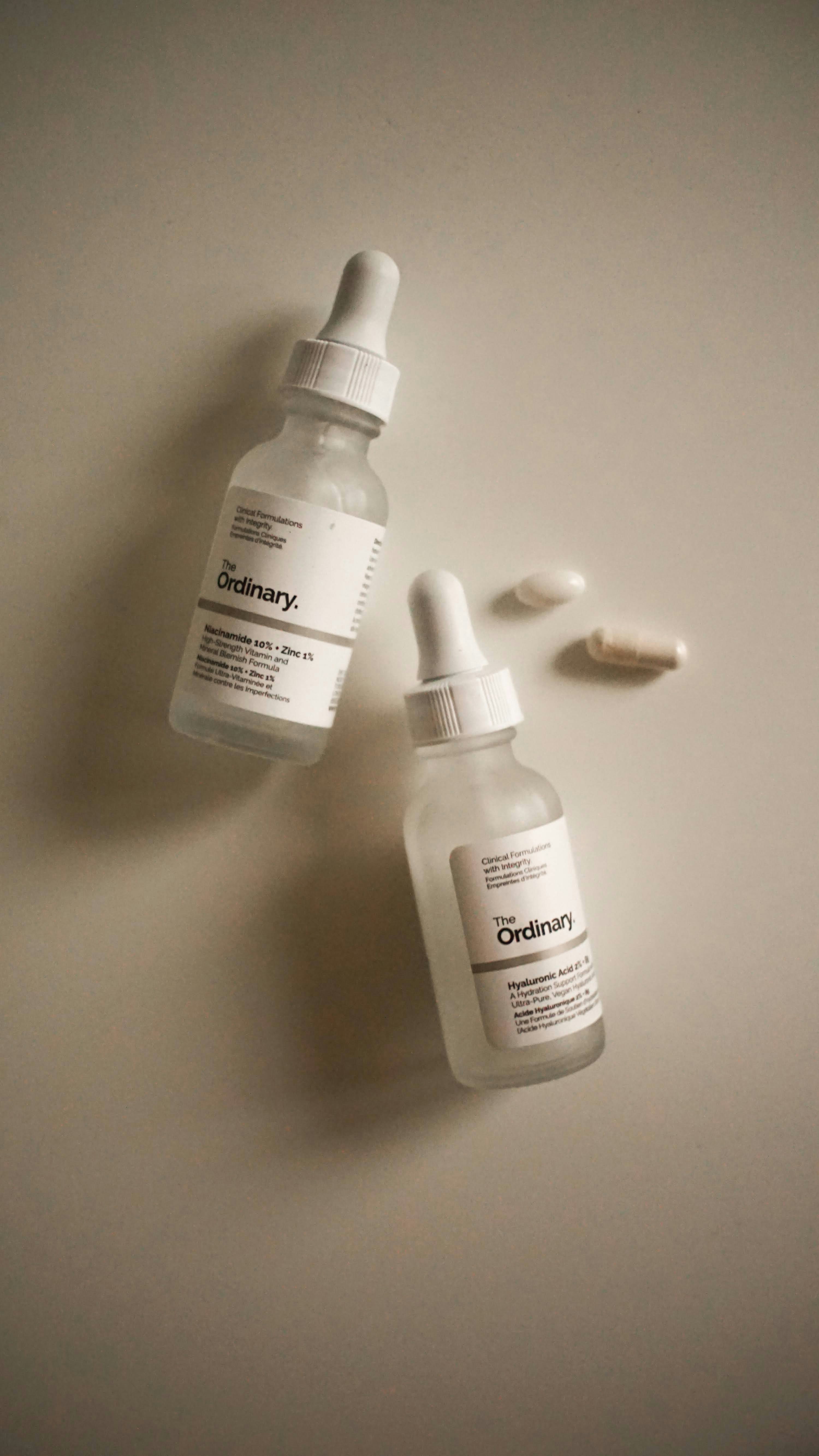
The Challenge / Industry Insight
The 10% niacinamide phenomenon emerged from accessible formulation technology and savvy marketing—not scientific consensus. When affordable, high-concentration actives hit mainstream beauty, percentages became the megapixels of skincare: easy to understand, compare, and sell.
The Hidden Cumulative Effect
Most consumers don't realize niacinamide appears across multiple products. A typical routine includes cleanser (2-3%), toner (2-5%), serum (10%), moisturizer (3-5%), and sunscreen (2-4%).When niacinamide appears in the top five ingredients in three or more products, cumulative exposure far exceeds what clinical studies test.
Tolerance vs. Efficacy
The fact that most people tolerate 10% niacinamide has been misinterpreted as proof it's optimal.
But tolerance isn't efficacy. Cosmetic chemists explain that once you've saturated the skin's biological pathways responding to niacinamide, additional concentration yields diminishing returns.
Expert Perspective
Decades of dermatological research reveal why 5% may be optimal, not minimal.
The Clinical Evidence
A landmark 2002 study in the British Journal of Dermatology found that 5% niacinamide significantly decreased hyperpigmentation after just 4 weeks, achieving 35-68% inhibition of melanosome transfer—the biological process behind pigmentation. The same study showed 2% niacinamide with sunscreen produced measurable improvements in facial discoloration.Research in the Journal of Cosmetic and Laser Therapy demonstrated that just 2% niacinamide effectively reduced sebum excretion rates over four weeks. For oily skin and enlarged pores,quintupling this concentration isn't supported by evidence of proportionally better results.A 12-week clinical trial found 5% niacinamide significantly improved fine lines, wrinkles, skin elasticity, and texture, providing a "broad array of improvements in aging facial skin".
The Kligman Standards
In a comprehensive review published in the Journal of Clinical and Aesthetic Dermatology,researchers found that "niacinamide is the ingredient that most closely upholds the Kligman standards of cosmeceutical-ingredient analysis"—referring to rigorous criteria for permeability,mechanism, and clinical effect. This endorsement was based on 2-5% concentrations, not today's 10% products.
Case Study / In Action
Scenario 1: The 5% Approach
Sarah uses a single 5% niacinamide product in her evening routine. Over 8 weeks: visible reduction in dark spots, improved texture and pores, enhanced barrier function with no irritation, and successful layering with other actives. Her results align perfectly with clinical trial outcomes.
Scenario 2: The 10% Overload
Jennifer builds a routine around 10% niacinamide serum plus moisturizer with 4% niacinamide, twice daily. After 6 weeks: persistent redness, paradoxical dryness despite niacinamide moisturizing properties, and mystery irritation that resolves only when she eliminates all niacinamide for a week. According to the Cosmetic Ingredient Review Expert Panel, niacinamide at concentrations up to 5% produced no irritation in 21-day tests, while higher concentrations showed "marginal to slight"; Irritant potential in some formulations.
Key Takeaways
Clinical efficacy is established at 2-5% across all major benefits: hyperpigmentation, sebum
control, barrier repair, and fine lines.Higher concentrations don't deliver proportionally better results due to biological pathway
saturation.Cumulative exposure matters more than single-product concentration. If niacinamide
appears in the top 5 ingredients in 3+ products, you may exceed optimal levels.5% provides the best efficacy-to-risk ratio, matching concentrations used in published
clinical trials while minimizing irritation.Reserve 10% for specific scenarios: extremely resilient skin, severe
Conclusion / Looking Ahead
The clinical evidence is unambiguous: niacinamide concentrations between 2-5% deliver measurable, significant improvements across every major skin concern. These results established niacinamide as one of dermatology's most versatile cosmeceutical ingredients.As the beauty industry matures, progressive brands are shifting from concentration competition to formulation sophistication—focusing on optimal delivery systems, synergistic ingredients, and sustained-release technologies.
At Skingenius, our mission is empowering consumers to separate marketing hype from scientific reality. When it comes to niacinamide, prioritize formulation quality and ingredient synergy over raw concentration. Build routines based on clinical evidence, monitor cumulative exposure, and adjust based on your skin's response. Your skin doesn't prefer round numbers or impressive percentages it responds to what science demonstrates works. In niacinamide's case, 5% isn't a compromise. It's the optimal choice backed by decades of research.
Expert Q&A
Should I switch from 10% to 5%?
If your routine works well with no sensitivity, there's no urgent need to change. However, if results plateaued after initial weeks, you might achieve the same benefits with lower concentration,allowing room for other beneficial actives.
How do I know if I'm experiencing niacinamide overload?
Check your products. If niacinamide appears in the top 3-5 ingredients in three or more items and you're experiencing unexplained irritation, eliminate all niacinamide for one week. If skin calms significantly, reintroduce gradually with one 2-5% product.
When is 10% genuinely better?
Severe treatment-resistant hyperpigmentation unresponsive to 5% after 12+ weeks, extremely oily skin despite 5% niacinamide, or specific dermatologist recommendation. Even then, introduce gradually.
References & Resources
Hakozaki T, et al. The effect of niacinamide on reducing cutaneous pigmentation and
suppression of melanosome transfer. Br J Dermatol. 2002;147(1):20-31.
Draelos ZD, et al. The effect of 2% niacinamide on facial sebum production. J Cosmet Laser
Ther. 2006;8(2):96-101.
Bissett DL, et al. Niacinamide: A B vitamin that improves aging facial skin appearance.
Dermatol Surg. 2005;31(7 Pt 2):860-865.
Levin J, Momin SB. How much do we really know about our favorite cosmeceutical
ingredients? J Clin Aesthet Dermatol. 2010;3(2):22-41.
Boo YC. Mechanistic basis and clinical evidence for the applications of nicotinamide
(niacinamide) to control skin aging and pigmentation. Antioxidants. 2021;10(8):1315.
Final Report of the Safety Assessment of Niacinamide and Niacin. Int J Toxicol. 2005;24
Suppl 5:1-31.
Wohlrab J, Kreft D. Niacinamide: a review on dermal delivery strategies and clinical
evidence. Drug Deliv Transl Res. 2024;14(8):2133-2147.
Snaidr VA, et al. Nicotinamide for photoprotection and skin cancer chemoprevention: A
review of efficacy and safety. Exp Dermatol. 2019;28 Suppl 1:15-22.